


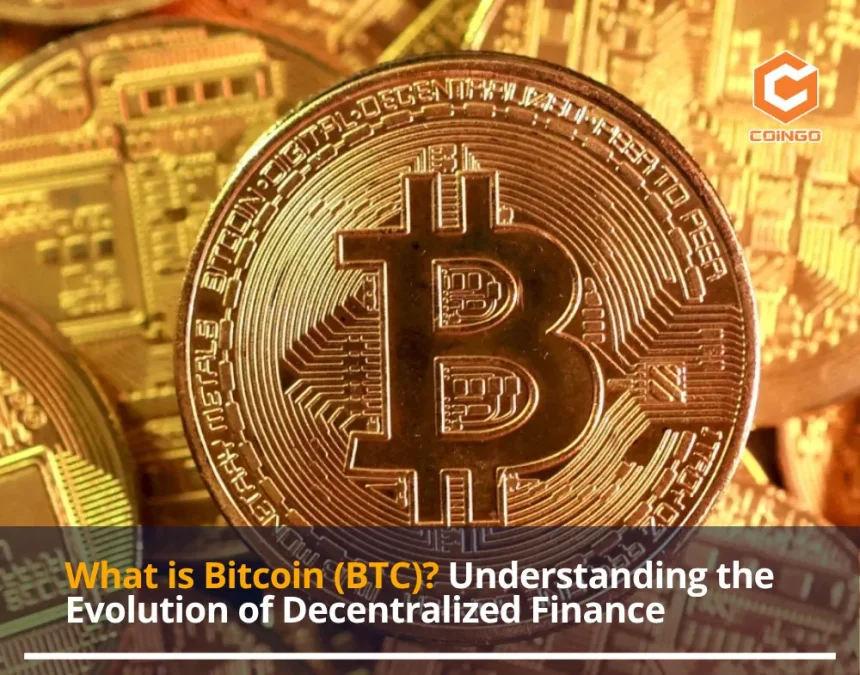
In an era where digital transformation defines our daily lives, Bitcoin (BTC) stands as the most significant financial innovation of the 21st century. Launched in 2009 by the pseudonymous Satoshi Nakamoto, Bitcoin emerged as the first successful solution to the “double-spending” problem. This breakthrough allowed value to be transferred globally without relying on a central authority, transforming how we perceive ownership in the digital age. Today, it is recognized not just as a cryptocurrency, but as a strategic “digital gold” for institutional and retail investors alike.
The Core Pillars: How Bitcoin Works
To understand Bitcoin, one must look beyond the price charts and focus on the underlying architecture described in the original 2008 Whitepaper. This technical foundation ensures the network’s security and longevity.
- The Blockchain Ledger: Imagine a global, digital notebook that everyone can view but no one can erase. Every transaction is grouped into a “block” and cryptographically linked to the previous one, forming an immutable chain.
- Decentralization: Unlike fiat currencies controlled by central banks, Bitcoin is maintained by a distributed network of thousands of independent nodes. This ensures the network remains censorship-resistant and transparent at all times.
- The Mining Process (Proof of Work): Transactions are verified through “mining,” where specialized hardware solves complex mathematical puzzles. This process secures the network and regulates the issuance of new coins, making the system self-sustaining.
Why Does Bitcoin Have Value?
Bitcoin’s value proposition is built on a unique combination of scarcity and utility. Several key factors differentiate it from traditional money and contribute to its long-term growth:
- Fixed Supply: There will only ever be 21 million BTC. This hard cap is hardcoded into the protocol, protecting it from the inflation that often devalues government-issued fiat currencies.
- Security through Cryptography: By utilizing advanced private and public key structures, Bitcoin provides a level of security that makes unauthorized transactions virtually impossible.
- Permissionless Access: Anyone with an internet connection can participate in the Bitcoin network. This fosters global financial inclusion, especially in regions with limited banking infrastructure.
Bitcoin in 2026: From Speculation to Infrastructure
As we move through 2026, Bitcoin’s narrative has fundamentally shifted. It is no longer a mere speculative asset for tech enthusiasts; it has become a cornerstone of global financial infrastructure. With the rise of institutional custody solutions and its increasing role as a corporate treasury reserve asset, Bitcoin is effectively bridging the gap between traditional finance (TradFi) and the decentralized future.
Whether you are an investor seeking a hedge against inflation or a researcher fascinated by blockchain, Bitcoin remains the ultimate gateway to the world of digital assets. Its journey from an experimental whitepaper to a trillion-dollar asset class proves that decentralized trust is more than a trend—it is the future of the global economy.