
A crypto airdrop is the free distribution of tokens to wallet addresses, usually as a reward for early use of a project, participation in testnets, or holding specific assets at a snapshot date. The first major airdrop in crypto history paid out roughly $40,000 to wallets that had used Uniswap before September 2020. Since then, airdrops have evolved from a marketing tactic into a legitimate way to earn meaningful crypto without buying any.
But the same mechanism that has paid out billions of dollars in legitimate value has also become the most popular vehicle for crypto scams in 2026. Knowing how to find real airdrops, how to qualify for them, and most importantly how to claim them without losing your wallet is now essential for anyone active in the space. This guide walks through all three.
How Crypto Airdrops Actually Work
The mechanics behind an airdrop are simple. A project decides it wants to distribute tokens to a defined group of wallets. It announces the criteria — for example, anyone who used the protocol before a specific date, or anyone holding a particular NFT, or anyone who completed certain on-chain actions. It takes a snapshot of qualifying wallets at the cutoff time. It then either sends tokens directly to those wallets or, more commonly, requires users to visit a claim page and connect their wallet to receive their allocation.
The reasons projects do this vary. The most common is bootstrapping a community. A new protocol can attract users by signaling that early adopters will be rewarded. Another reason is decentralization. Distributing governance tokens widely creates a base of holders who can vote on the project’s future. A third reason is regulatory. Some projects use airdrops to put tokens in the hands of users without selling them, which sidesteps certain securities concerns in some jurisdictions.
The Five Main Types of Airdrops
Not every airdrop works the same way. Five categories cover almost every legitimate distribution you will see.
1. Standard Airdrops
The simplest version. The project sends free tokens to a list of wallet addresses, usually based on a snapshot of past activity. No action required from the user beyond having qualified. Examples include the original Uniswap UNI distribution and the Ethereum Name Service (ENS) drop.
2. Retroactive Airdrops
These reward past behavior. The project picks a date in the past, looks at who used the protocol before then, and rewards those users. The user did not know an airdrop was coming when they used the platform — that is the point. Layer-2 networks like Arbitrum and Optimism have used this model to reward early users with tokens worth thousands of dollars.
3. Holder Airdrops
Tokens are distributed based on what you hold at a specific snapshot. If you held 1 ETH at block X, you get a corresponding amount of the new token. These are common when forks or sister projects want to bootstrap a holder base by rewarding existing communities.
4. Bounty and Task-Based Airdrops
Users earn tokens by completing specific actions: following social accounts, joining Discord servers, sharing posts, completing testnet transactions. These are smaller per-user but accessible to anyone. Quality varies enormously, and many of the largest scams in 2025 and 2026 disguised themselves as task-based airdrops.
5. Exclusive or NFT-Based Airdrops
Tokens distributed only to holders of specific NFTs or memberships. The Bored Ape Yacht Club’s APE distribution to existing BAYC and MAYC holders is the canonical example. These airdrops can be highly valuable but are accessible only to holders of often-expensive assets.
How to Find Legitimate Airdrops
Most legitimate airdrops are not advertised aggressively. Real projects do not need to spam them. Finding them is mostly about being in the right places and using the right tools.
The most reliable sources are aggregator platforms like Airdrops.io, CoinMarketCap’s airdrop section, and DropsTab. These verify projects before listing them, which filters out the worst scams. Following project Twitter accounts directly — especially major DeFi protocols, Layer-2 networks, and emerging chains — is also effective. Many projects announce airdrops first on X before any aggregator picks them up.
On-chain activity itself is the best filter. Many of the most valuable retroactive airdrops have rewarded users who genuinely interacted with new protocols early. If you regularly use new DeFi platforms, bridge across new Layer-2 networks, or test out promising chains, you increase your chances of qualifying for retroactive distributions you do not even know are coming yet. The key word is genuinely. Sybil farming — using dozens of wallets to mimic real activity — is increasingly detected and excluded by projects.
The Real Risks: How Airdrop Scams Work
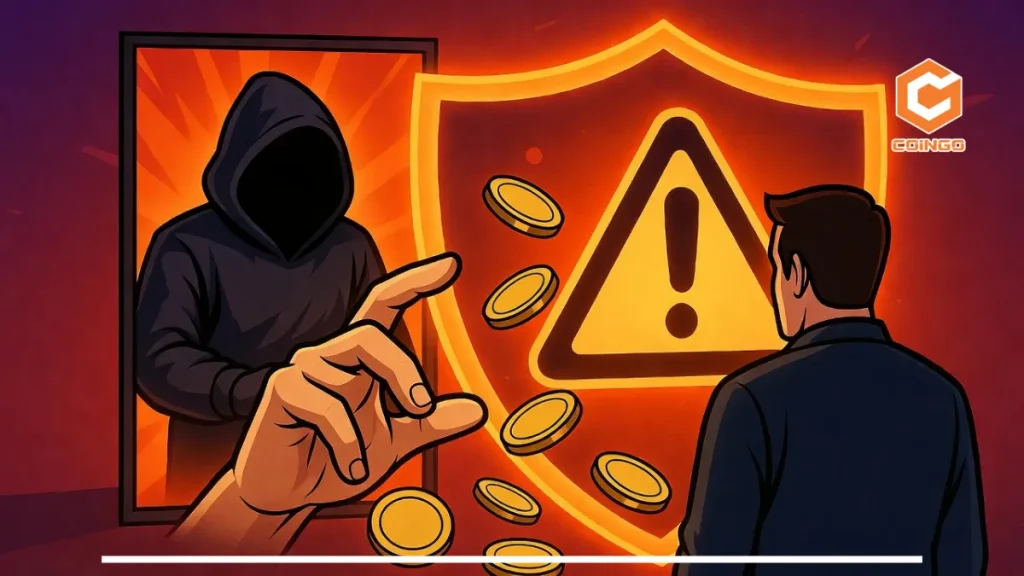
This is where most people lose money in airdrops, and the losses can be devastating. The two most common scam patterns drain wallets through approval mechanisms. Recognizing the warning signs of crypto scams applies directly to airdrops because the most successful scams disguise themselves as legitimate distributions.
Pattern 1: The Fake Claim Site
A scammer creates a website that looks identical to a real airdrop claim page. They drive traffic through phishing emails, fake Twitter accounts, and search ads. When you connect your wallet and approve the claim, you are not claiming tokens — you are signing a transaction that gives the scammer permission to drain your wallet. The site looks completely legitimate. The wallet popup looks normal. The damage is irreversible.
Pattern 2: The Mystery Token Drop
You receive tokens you did not expect in your wallet. They show up in your portfolio. When you try to sell them, the transaction fails. When you investigate, you find a website telling you to visit a specific page to “unlock” the tokens. That page asks for wallet permissions that drain everything. The mystery tokens were the bait. Knowing how to revoke token approvals is the only effective defense once a malicious approval has been granted.
Pattern 3: The Discord DM
Someone messages you privately on Discord or Telegram claiming to represent a project you follow. They have an exclusive airdrop opportunity. They send a link to a claim page. The page looks real. The link is malicious. Real projects never send unsolicited direct messages about airdrops. Treat every DM about a free token as a scam by default.
How to Claim Airdrops Safely
Five rules separate people who collect airdrop value from people who lose their wallets to airdrop scams.
- Use a separate wallet for claims. Never connect your main wallet to airdrop claim sites. Create a fresh wallet, fund it with just enough ETH or relevant gas token to claim, and use it exclusively for new and unverified protocols.
- Verify the claim URL. Always navigate to the project’s official site directly through their verified Twitter or official documentation. Do not click links from search results, ads, or messages. Bookmark official URLs for projects you use repeatedly.
- Read the transaction before signing. Modern wallets show what a transaction will actually do. If a claim transaction is asking for unlimited spend approval on assets you already own, stop. Real claims do not require this.
- Move tokens out fast. Once you have claimed, transfer the new tokens to a different wallet — ideally to a hardware wallet for storage. Leaving claimed tokens in the same wallet you just used on a connected dApp keeps you exposed if the protocol or front-end is later compromised.
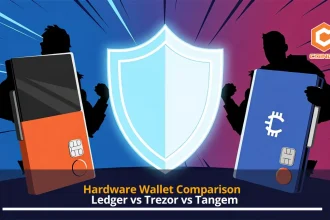
- Use a hardware wallet for high-value claims. If a claim is worth meaningful money, the few extra steps to use a Ledger or Trezor are worth it. Hardware wallets cannot be drained by a single malicious signature in the same way hot wallets can.
Are Airdrops Taxable? Yes, Almost Everywhere
Most jurisdictions treat airdropped tokens as taxable income at the moment of receipt, valued at fair market price on the day of the drop. The U.S. IRS, the U.K. HMRC, and most EU tax authorities treat airdrops this way. If you receive a token worth $1,000 on the day it drops, you owe income tax on that $1,000 even if you never sell. If the price later drops to zero, your loss is a separate capital event.
This catches a lot of users off guard. People claim airdrops, hold the tokens, watch the price collapse, and then face a tax bill on a value they never realized in fiat. Keep records of every airdrop you claim: the date, the wallet address, the number of tokens, and the market price on that date. A simple spreadsheet works. Without records, defending your tax position later becomes very difficult.
Note that tax treatment varies by jurisdiction. This is general information. For specific situations, consult a tax professional who understands crypto. Coingo is not a tax advisor and this article does not constitute tax advice.
What to Do Right Now to Position for Future Airdrops
If you are not currently positioning for retroactive airdrops, here are the highest-leverage actions you can take. Start by genuinely using new Layer-2 networks. Bridge real value, make trades, hold for at least a few weeks. Many of the largest retroactive distributions in the past two years rewarded users who held positions, not just those who passed through. Use new DeFi protocols on those networks. Understanding how staking works also helps because some projects have rewarded stakers retroactively.
Set up a dedicated airdrop wallet structure. Have one main wallet for long-term holdings (preferably a cold wallet), one fresh hot wallet for claiming new airdrops, and one transit wallet for moving tokens between them. This three-wallet model protects against the scenario where a single compromised approval drains everything you own.
Keep your airdrop wallet’s permissions clean. Periodically check which contracts have approval to spend tokens from your wallet using tools like Revoke.cash or Etherscan’s token approval checker. Revoke any approvals you no longer need, especially from old or unused protocols. Multi-signature wallets are also worth considering for large token holdings, though they add complexity to claiming.
The Bottom Line
Airdrops are one of the few mechanisms in crypto that can actually pay you for time and attention rather than capital. The best ones have rewarded early users with five and six-figure distributions. They are also one of the most common scam vectors in the entire space. Both things are true.
The skill is not finding airdrops. It is filtering them. Real projects, real claim pages, separate wallets, careful approvals, fast transfers out, and clean records — that is the loop. Anyone who follows it consistently can collect meaningful value over years. Anyone who skips a step can lose more in one claim than they earned across dozens. Choosing a reliable exchange for converting airdropped tokens into stable assets is the final piece, especially for tokens that lose most of their value in the first few weeks after a drop.