Pump.fun
Pump.fun is the largest meme coin launchpad on Solana and one of the most financially productive protocols in all of crypto. Launched in January 2024, the platform lets anyone create a token in under a minute with no coding, no liquidity setup, and no permission required. That simplicity turned it into a factory: over 11.9 million tokens created, more than $1 billion in cumulative revenue, and at its peak, 71% of all daily token launches on Solana ran through Pump.fun’s bonding curve system.
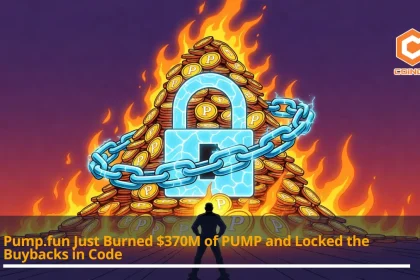
The coverage here tracks what matters: profitability data showing what percentage of wallets actually make money (and how much), token launch velocity and graduation rates to DEXs like Raydium and PumpSwap, PUMP token economics including the $370 million burn in April 2026 and the shift from 100% revenue buybacks to a 50/50 split between buybacks and operations, competitive pressure from Bonk.fun and other Solana launchpads that have eaten into market share, and the $5.5 billion class-action lawsuit alleging the platform operates as an unlicensed casino, with Solana Labs and Jito Labs named as co-defendants.
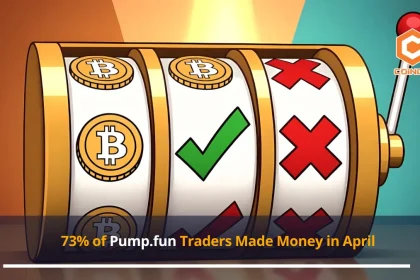
The numbers tell a complicated story. In April 2026, 73.3% of active wallets were profitable, the highest rate since launch. But 65% of those winners made less than $500. Monthly active wallets dropped from 5.2 million to 1.8 million between May and December 2025. Fewer than 2.1% of tokens ever graduate from the bonding curve to a major DEX. The platform generates roughly $264 million in daily trading volume, but most of that volume rotates through tokens with lifespans measured in hours, not days. CoinGecko’s profitability data excludes bagholders entirely, meaning the real win rate is likely lower than what the headline number suggests.
Coingo covers the on-chain data, the token economics, the legal battles, and the broader question of whether meme coin launchpads are financial products, casinos, or something the regulatory framework has not yet named. Pump.fun is where Solana’s speculative energy concentrates. Understanding what happens on the platform tells you more about retail crypto behavior than any ETF filing or institutional report ever will.